Marine Conservation & Sustainable Diving
Scuba divers are privileged witnesses to a world that remains out of sight for the vast majority of humanity. With that privilege comes a profound responsibility to protect it. Our oceans are facing unprecedented threats from climate change, pollution, and over-extraction. As ambassadors of the deep, divers must understand these challenges and adapt their habits to ensure the underwater world endures for future generations.
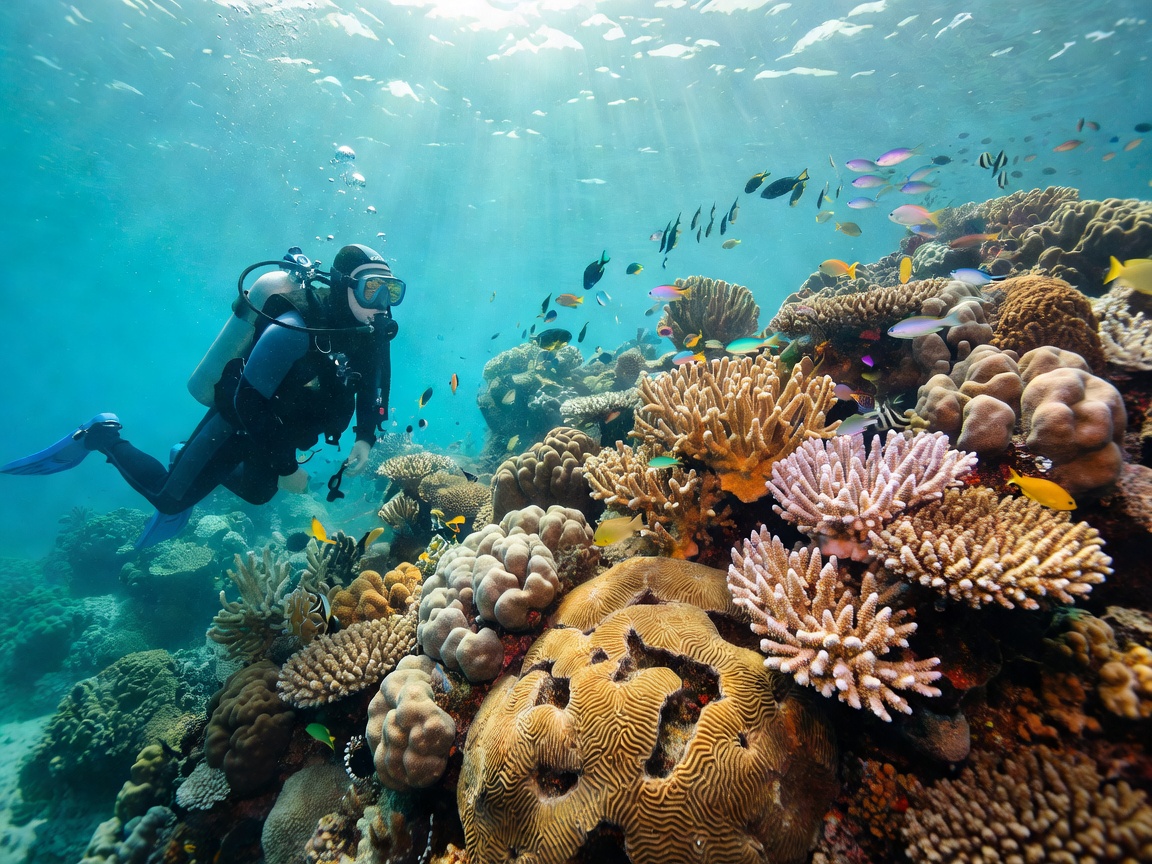
The Threat of Coral Bleaching
Coral reefs are often called the rainforests of the sea, supporting over a quarter of all marine life despite covering less than 1% of the ocean floor. The primary threat to these vital ecosystems is rising sea temperatures driven by global climate change. Corals share a symbiotic relationship with microscopic algae called zooxanthellae, which provide them with vibrant colors and up to 90% of their energy through photosynthesis.
When water temperatures rise just 1-2 degrees Celsius above normal for prolonged periods, stressed corals expel these algae. The coral turns stark white—a process known as bleaching. While a bleached coral is not immediately dead, it is effectively starving. If temperatures do not drop, the coral colony will succumb to disease and die. Divers frequently bear firsthand witness to these tragic events, making their reports invaluable to marine scientists monitoring reef health.
Sustainable Diving Practices
While global climate change requires systemic intervention, divers have direct control over their physical impact on the reef. Adopting sustainable diving habits is essential.
- Perfect Buoyancy: The single most destructive habit of an untrained diver is poor buoyancy control. Crashing into the reef, kicking up sand, or grabbing coral for stability can destroy decades of slow coral growth in an instant. Invest in peak performance buoyancy courses and make sure you are properly weighted.
- Streamline Your Gear: Dangling pressure gauges and alternate air sources frequently drag along the bottom, breaking delicate branching corals. Ensure all hoses and accessories are securely clipped to your BCD close to your body.
- Look, Don't Touch: The golden rule of diving is strict observation. Do not handle marine life, do not chase animals, and absolutely do not ride or hitch onto sea turtles or large pelagics. Feeding fish alters their natural behavior and diet, making them reliant on unnatural food sources.
The Sunscreen Crisis
Chemicals found in many commercial sunscreens, most notably oxybenzone and octinoxate, have been shown to be highly toxic to coral larvae. These chemicals cause deformities, exacerbate bleaching, and damage coral DNA even in minute concentrations. The simple act of divers and snorkelers jumping off a boat introduces these pollutants directly to the reef.
As a responsible diver, switch exclusively to mineral-based sunscreens that use non-nano zinc oxide or titanium dioxide as their active ingredients. Better yet, bypass sunscreen altogether for your body and opt for physical barriers like UPF-rated rash guards and wetsuits while on the boat or in the water.
Citizen Science and Taking Action
Divers can actively contribute to marine conservation through citizen science initiatives. Organizations like the Project AWARE Foundation frequently organize "Dive Against Debris" events, where volunteers remove plastics and discarded fishing gear from the ocean floor, recording the data to inform waste management policies. Similarly, the Reef Check program trains recreational divers to conduct underwater surveys, counting key indicator species and assessing coral health to provide global databases with essential localized information.
Finally, vote with your wallet. Choose dive operators that demonstrate a commitment to the environment. Look for shops that have banned single-use plastics on their boats, employ permanent mooring buoys instead of dropping anchors on the reef, and actively support local marine parks. Your choices as a consumer drive industry standards.