World's Top Dive Destinations
The beauty of scuba diving is that it offers endless variety. Whether you are hunting for macro critters smaller than a fingernail or hoping to lock eyes with a migrating humpback whale, there is a dive destination tailored to your dream. Here is a curated selection of the world's most spectacular dive regions, categorised by what makes them unique.
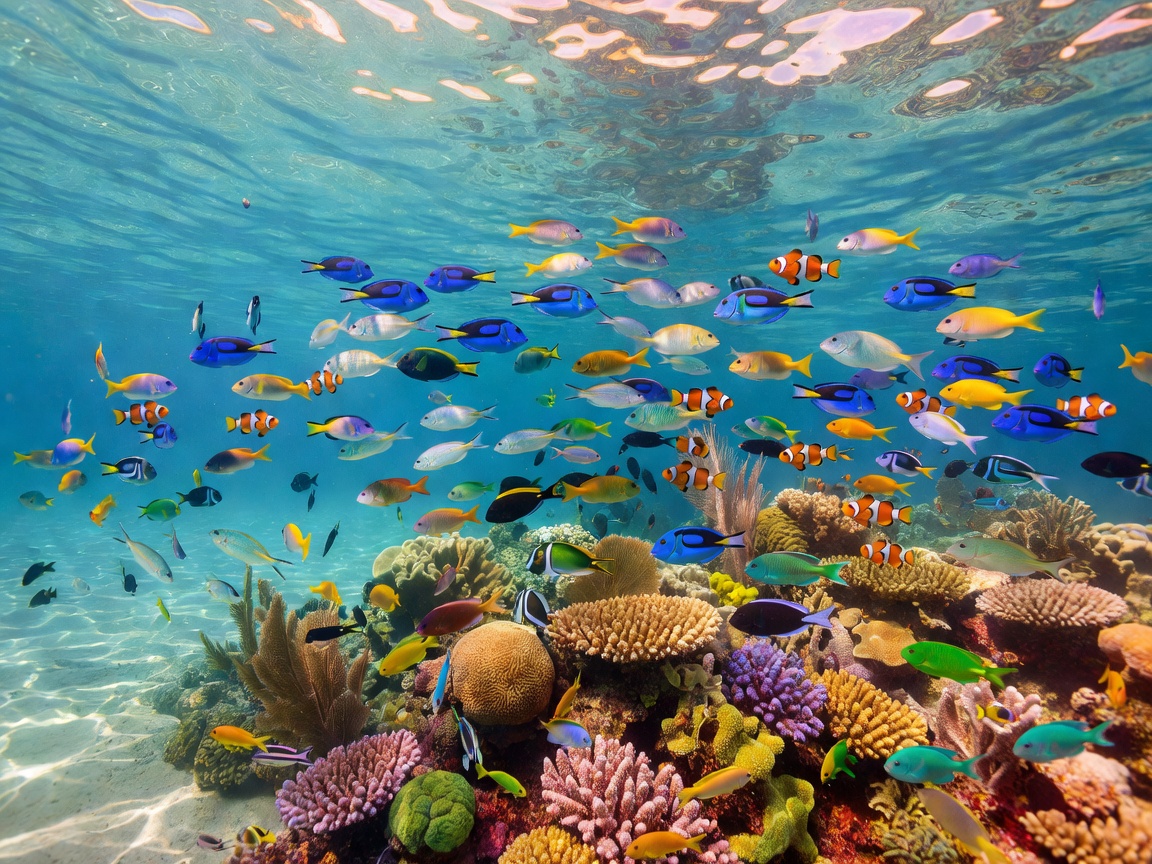
Tropical Biodiversity: Raja Ampat, Indonesia
Located at the heart of the Coral Triangle, Raja Ampat is routinely cited by marine biologists as the most biodiverse marine environment on Earth. Over 1,500 species of fish and 600 species of hard coral call this archipelago home. Divers here can expect dramatic underwater topography, sprawling gorgonian sea fans, and nutrient-rich currents that bring in large pelagics like manta rays and reef sharks. Due to its remote location and strong currents, Raja Ampat is best experienced via a liveaboard vessel and is recommended for divers with advanced experience.
The Icon: The Great Barrier Reef, Australia
Spanning over 2,300 kilometres along the Queensland coast, the Great Barrier Reef is the largest living structure on the planet. While parts of the inner reef are easily accessible for day-trippers and beginners, the true magic lies in the Outer Reefs and the Coral Sea. Areas like Osprey Reef offer steep wall dives, incredible visibility, and the famous shark feeds where silvertip and grey reef sharks gather in staggering numbers. The GBR is a mandatory pilgrimage for any serious diver.
Wrecks and Dramatic Walls: The Red Sea, Egypt
The Red Sea offers some of the most dramatic and accessible diving in the world. It is particularly famous for two things: plunging drop-offs and world-class wreck diving. The SS Thistlegorm, a British armed merchant navy ship sunk during WWII, rests in 30 meters of water and is still loaded with its wartime cargo of motorcycles, trucks, and train carriages. Further south, the Brother Islands offer sheer walls patrolled by oceanic whitetip sharks and hammerheads. The exceptionally clear, warm water makes the Red Sea a favourite for European divers seeking winter sun.
Unique Environments: The Cenotes, Mexico
Not all great diving happens in the ocean. The Yucatán Peninsula in Mexico is pockmarked with thousands of sinkholes known as cenotes. These collapsed limestone caves provide access to an extensive underground river system. Diving in a cenote involves navigating through crystal-clear freshwater, dodging ancient stalactites and stalagmites, and floating through surreal laser-like beams of sunlight penetrating from the jungle canopy above. Furthermore, at certain depths, divers experience a halocline—a visual blurring effect where lighter fresh water meets denser salt water. Cenote cavern diving can be done with standard open water gear, provided you are led by a certified full cave guide.
The Pelagic Frontier: The Galapagos Islands, Ecuador
If your goal is big animal encounters, the Galapagos Islands stand peerless. Situated at the confluence of several major ocean currents, these volcanic islands offer challenging but incredibly rewarding diving. Divers endure cold thermoclines, heavy surge, and ripping currents for the chance to see schooling scalloped hammerheads by the hundreds, massive whale sharks, marine iguanas foraging underwater, and playful sea lions. The islands of Darwin and Wolf in the far north are the epicenters of this action. Due to the severe conditions, Galapagos diving is strictly for highly experienced divers.
Planning Your Trip
When selecting a destination, honesty about your skill level is paramount. A destination famous for strong currents will be miserable—and dangerous—for a newly certified diver struggling with buoyancy. Similarly, check the seasonal variations; marine life migrations, water temperatures, and visibility can change drastically depending on the month. Liveaboards offer the best access to remote sites, while land-based resorts are ideal for those traveling with non-diving companions.
Wherever you choose to drop into the water, ensure your travel insurance covers scuba diving explicitly, including evacuation to a hyperbaric chamber in the event of an emergency.